Why Your Eating Window Matters | The 8-Hour Eating Window
Why Your Eating Window Matters When You're Running on Empty
When you're running on fumes, the problem isn't just what you're eating — it's when. An 8-hour eating window with 16 hours of fasting gives your body the metabolic rest it needs to stabilize blood sugar, reduce inflammation, and rebuild sustainable energy. For professional women navigating burnout, menopause, or chronic exhaustion, this isn't about restriction — it's about giving your system space to repair.
The Problem: Constant Eating Keeps You Stuck
If you're eating from the moment you wake up until you go to bed — breakfast at 7 a.m., snack at 10, lunch at noon, another snack at 3, dinner at 7, something sweet at 9 — your body never gets a break from digesting and processing food.
Here's what happens:
Blood sugar roller coaster:Every time you eat, insulin rises to manage glucose. Constant eating means constant insulin spikes, which over time leads to insulin resistance — your cells stop responding efficiently, and your body stores more fat while your energy crashes.
Inflammation stays elevated:Digestion is metabolically demanding. When your digestive system is always "on," inflammatory markers stay elevated. For women dealing with joint pain, brain fog, or autoimmune flare-ups, this constant state keeps symptoms active.
Your body never shifts into repair mode:Cellular repair processes — like autophagy, where your body clears out damaged cells and regenerates new ones — happen primarily when you're not digesting food. If you're always eating, you're always in "digest and store" mode, never in "repair and restore."
This isn't a character flaw. It's a systemic issue. Your body is responding exactly as it's designed to — but the input (constant food) is creating an output (exhaustion, weight gain, inflammation) you don't want.
How the 8-Hour Eating Window Works
An 8-hour eating window means you consume all your food within an 8-hour period — say, noon to 8 p.m. — and fast for the remaining 16 hours (8 p.m. to noon the next day, including sleep).
During those 16 fasting hours, your body:
Stabilizes blood sugar and improves insulin sensitivity:Without constant glucose coming in, insulin levels drop. Your cells become more responsive to insulin, which means better blood sugar control and less fat storage.
Shifts into fat-burning mode:Around 12–14 hours into a fast, your body transitions from burning glucose (sugar) to burning stored fat for energy. This metabolic switch helps reduce visceral fat — the dangerous fat around your organs that drives inflammation and increases disease risk.
Activates cellular repair (autophagy):After about 12–16 hours of fasting, autophagy ramps up. Your body starts clearing out damaged proteins, recycling cellular debris, and regenerating healthier cells. This process is linked to reduced inflammation, improved brain function, and longevity.
Reduces systemic inflammation:Fasting lowers markers such as C-reactive protein (CRP) and interleukin-6 (IL-6), both of which are associated with chronic inflammation. For women dealing with joint pain, autoimmune conditions, or post-cancer recovery, this reduction can be life-changing.
This isn't about eating less food overall — it's about when you eat. You're giving your body a predictable rhythm that supports repair, not just digestion.
Grazing vs. 8-Hour Eating Window: What Changes

Who This Works For
This eating pattern is particularly effective for:
Professional women ages 45–60 navigating perimenopause or post-menopause, when insulin resistance and visceral fat increase
Women managing chronic stress and burnout whose cortisol and blood sugar are dysregulated
Post-cancer survivors looking to reduce inflammation and recurrence risk through metabolic health
Women using GLP-1 medications (like Ozempic or Wegovy) who want to preserve muscle mass and build sustainable eating patterns as they reduce medication
High-achievers who've tried restrictive diets and need a system that doesn't require constant decision-making or meal prep
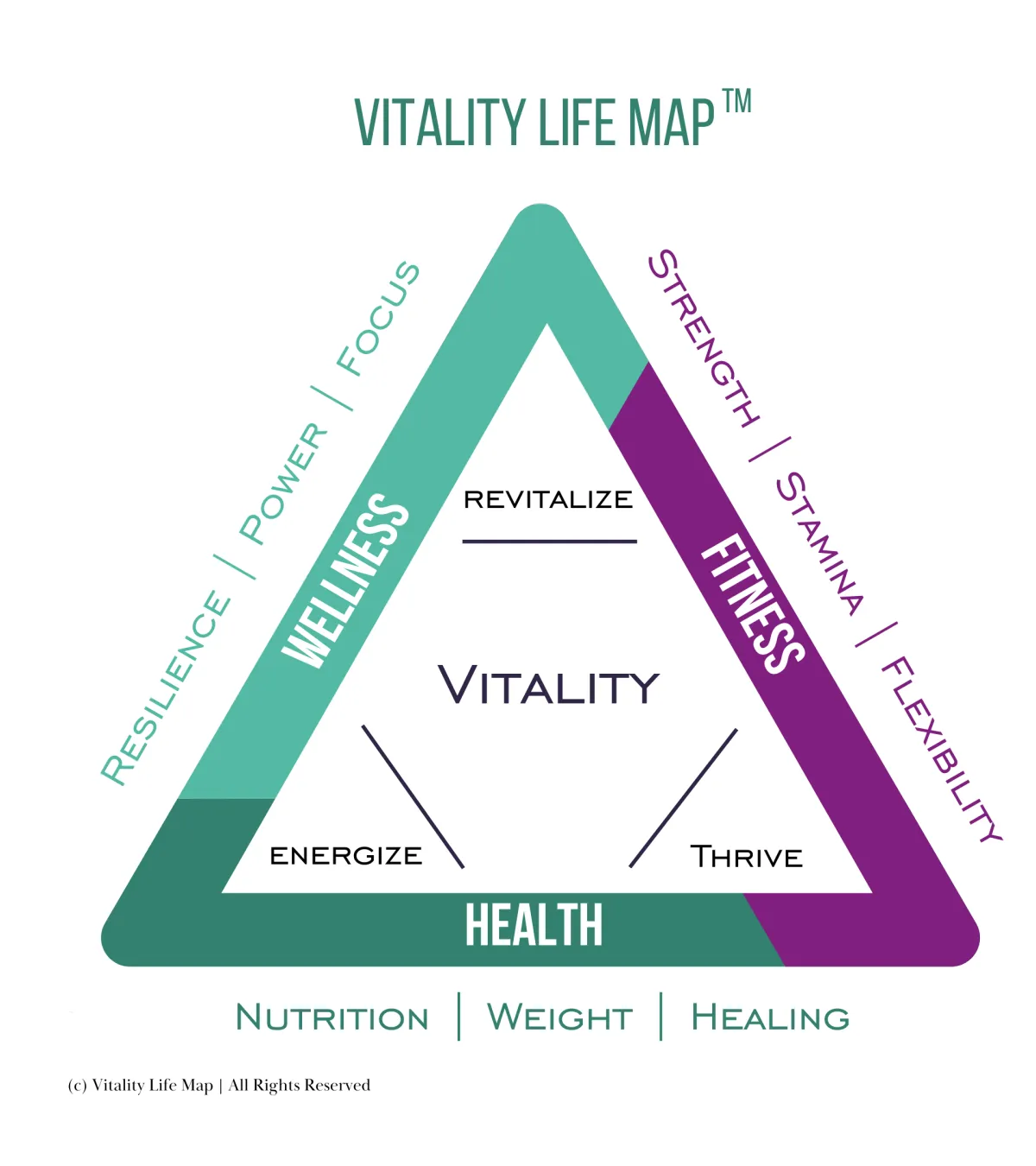
Wendy Harmon works with women in all of these categories through her Private Vitality Coaching and Group Health Foundation programs. The eating window isn't a standalone fix — it's part of a larger framework (the Vitality Life Map™) that health, wellness and fitness systems.
How to Start (Without Extremes)
If you're used to eating breakfast at 7 a.m. and going to bed with a snack at 10 p.m., jumping straight into a 16-hour fast might feel overwhelming. Here's how to ease in:
Week 1: Push breakfast back by one hour.
If you normally eat at 7 a.m., wait until 8 a.m. Keep dinner at the same time. You've just created a 13-hour fasting window (8 p.m. to 8 a.m.) without changing much.
Week 2: Push breakfast back another hour.
Now you're eating at 9 a.m., fasting for 14 hours. Notice how you feel — energy, hunger, mood. Most women find they're less hungry than expected once blood sugar stabilizes.
Week 3: Aim for a 16-hour fast.
Eat your first meal around 10 a.m. or noon, last meal by 6–8 p.m. Your eating window is now 8 hours. This is where the metabolic benefits — fat adaptation, autophagy, inflammation reduction — become most pronounced.
What to eat during your window:
Focus on whole foods: protein (meat, fish, eggs), healthy fats (avocado, olive oil, nuts), fiber-rich vegetables, and moderate amounts of fruit or starchy carbs depending on your activity level. Avoid processed foods and added sugars — they'll spike insulin and undermine the blood sugar stability you're building.
What breaks a fast:
Anything with calories — food, milk in coffee, protein shakes. Black coffee, tea, water, and electrolytes (sodium, potassium, magnesium) do not break a fast and can help manage hunger and energy during the fasting window.
This Isn't About Restriction — It's About Repair
The women Wendy Harmon works with aren't looking for another diet. They're looking for a system that restores their body's capacity to function — at work, at home, in life. The 8-hour eating window is one pillar of that system. It addresses insulin resistance, inflammation, and energy depletion at a metabolic level, not through willpower or meal plans that require two hours of Sunday prep.
If you're a professional woman whose body has stopped responding to "eat less, move more" advice — if you're exhausted, inflamed, and terrified, your next round of test results will be worse — this eating pattern is worth exploring. It's not extreme. It's strategic. And for many women, it's the first intervention that actually works.
Wendy Harmon's 14-Day Vitality Kickstart helps women implement this eating window as part of a personalized health protocol. Participants attend group coaching calls, two 1:1 strategy sessions with Wendy, and a customized 90-day Vitality Road Map that outlines next steps based on their specific health crisis — whether that's menopause, diabetes risk, post-cancer recovery, or chronic exhaustion.
The question isn't whether you can keep doing what you're doing. The question is whether you want to — and what becomes possible when you give your body the conditions it needs to repair.